What Minnesota Designers Need to Know About Cannabis & Hemp Packaging Regulations
⚠️ Note: Minnesota cannabis packaging regulations are actively evolving under Chapter 342. This post reflects requirements as of April 2026. Always verify current rules with the Office of Cannabis Management at mn.gov/ocm or a qualified attorney before going to print.
1. Why This Matters
As Minnesota's cannabis and hemp industry grows, so does the need for packaging that is not only beautiful, but legally compliant. Designers are in a unique position to help clients build trust and stay on the right side of regulation—while still creating elevated, on-brand packaging.
Minnesota's cannabis framework has shifted significantly under Chapter 342, administered by the Office of Cannabis Management (OCM). Full compliance is now required for all licensed businesses — and the rules affect everything from your color choices to the exact size of required symbols on your label. This is not a space where you can wing it.
2. Key Packaging Requirements
(Per MN Statutes §§342.62 & §342.63)
Child-Resistant, Tamper-Evident, and Opaque
Examples:
Push-and-turn caps (like prescription bottles)
Tamper-evident shrink bands or seals
Fully opaque mylar bags or black glass jars
Design Tip: These features may affect your layout or dieline—so plan your visual hierarchy and label shape accordingly.
Important exception: Child-resistant packaging is NOT required for beverages. [M.S. §342.62, subd. 2(b)] This is relevant for THC beverage brands — but all other packaging requirements still apply.
Resealable and Clearly Portioned
Multi-serving edible products must:
Be resealable (zippers, snap-lids)
Include clear serving sizes (scoring, wrapping, or trays)
Example: A tin of mints with individual compartments, or a bag of scored chocolate squares.
FDA-Compliant & PFAS-Free Materials
Only use:
FDA-approved food-safe materials
Packaging without PFAS ("forever chemicals")
Designer Consideration: Ask your printer or vendor for a materials compliance sheet—especially for edibles.
Mature, Non-Kid-Friendly Visual Language
Avoid:
Candy-like colors and fonts
Cartoon characters or toys
Mimicking snack or soda brands
Chapter 342 is specific about what counts as appealing to minors. Prohibited imagery includes: toys or robots, fruits or vegetables used decoratively (unless accurately describing an ingredient or flavor), characters or phrases used in children's advertising, and brand names or close imitations of candy, cereal, chips, or other food products typically marketed to children.
2A. The Two New Required Symbols (2025–2026 Update)
Under Chapter 342 and Minnesota Rules 9810.1400, all cannabis and lower-potency hemp edible packaging now requires two specific symbols on the outermost marketing layer of every package. These are mandatory — not optional — and have exact color and size specifications.
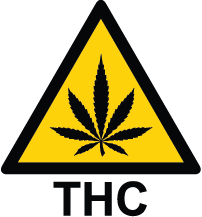
Symbol 1 — International Intoxicating Cannabinoid Product Symbol (IICPS)
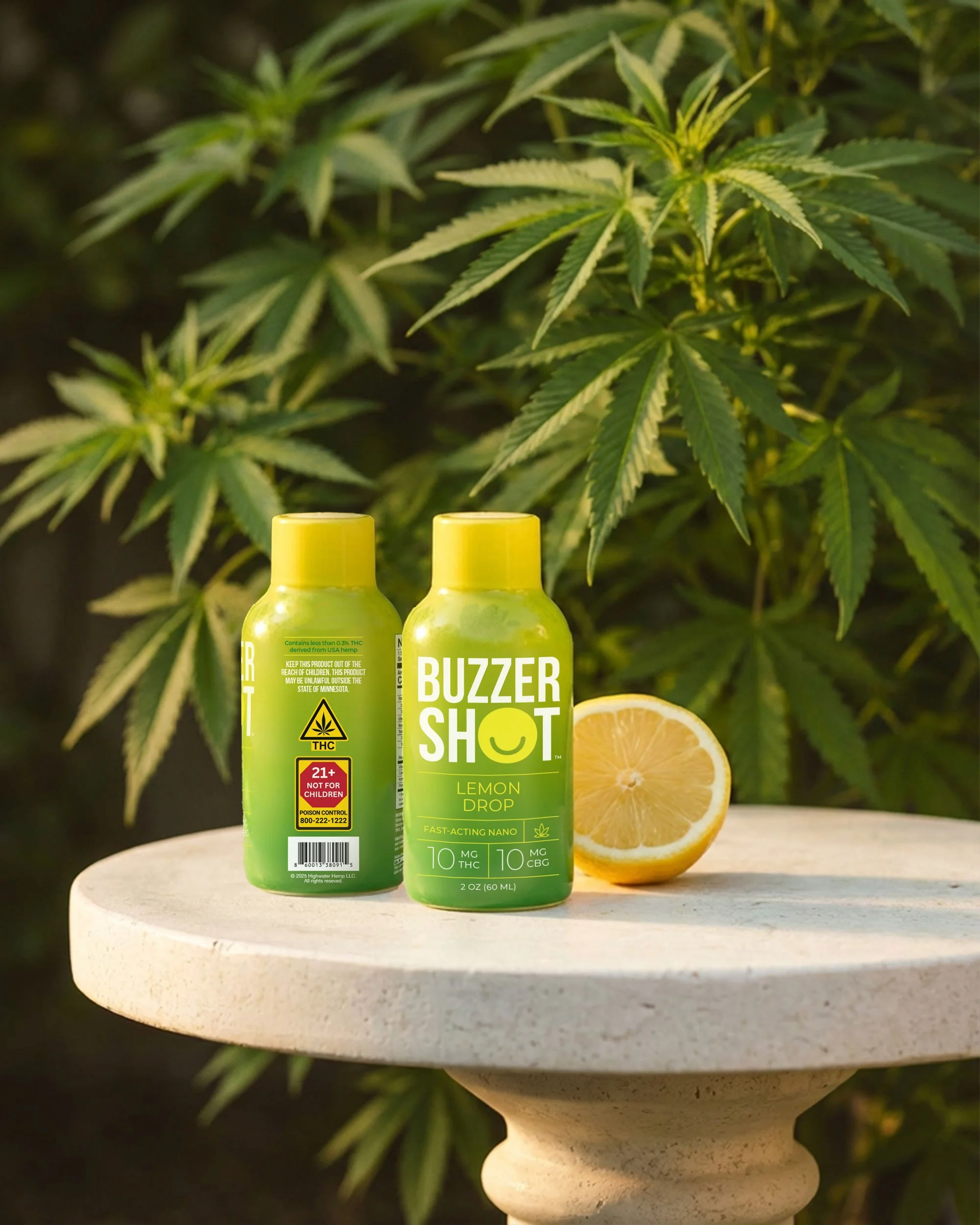
This is the triangle symbol you may have recently seen brands updating their packaging to include — including THC beverage brands like Buzzer Shot.
Requirements:
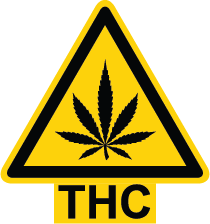
The ASTM D8441 symbol with the letters "THC" underneath
Minimum size: 0.5" x 0.5"
Color: Warning Signal Yellow (Pantone 109C / Hex #FFD100) with a black border
On dark backgrounds: add a yellow border around the initial black border
Must be placed on the outermost marketing layer — not hidden, not under a peel-away panel
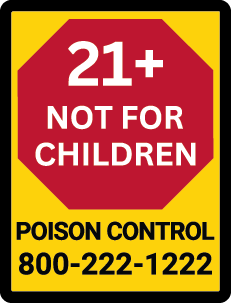
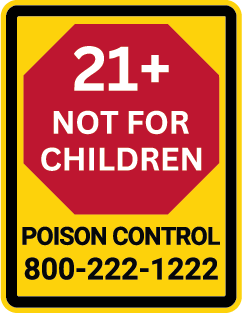
Symbol 2 — 21+ Warning Symbol
Requirements:
Minimum size: 0.75" tall x 0.6" wide
Same Warning Signal Yellow background (Pantone 109C / Hex #FFD100) with black border
Contains a red octagon (Pantone 187C / Hex #A6192E) with "21+ NOT FOR CHILDREN" in white
"POISON CONTROL 800-222-1222" must appear beneath the octagon in black
On dark backgrounds: add a yellow border around the black border
Must be on the outermost marketing layer
Required Warning Statement
In addition to the two symbols, every label must include this statement in a minimum 6pt font:
"Keep this product out of reach of children. This product may be unlawful outside the state of Minnesota."
Designer Tips for the New Symbols:
Both symbols have exact color values specified by OCM — build them into your design files as locked color swatches so they never accidentally shift during production
The symbols are available for download directly from the OCM website at mn.gov/ocm
Plan for these symbols early in your layout process — they are required on the outermost layer and cannot be obscured, placed under peel-away panels, or printed in colors that render them unreadable
For dark packaging (like Buzzer Shot's labels) remember the yellow border rule — the symbol appearance changes depending on background color
Download the official OCM symbols directly from the source — always use the most current version: mn.gov/ocm/businesses/packaging-and-labeling.jsp
3. Labeling: What Must Be Included
Per MN Statute §342.63, cannabis and hemp labels must include:
Business name and license number
Product type and net weight
Cannabinoid profile per serving
Batch or lot number
Required symbols (cannabis universal symbol, warning icon)
Usage instructions and health warnings
Design Tip: Use a compliance block or footer on every label. Keep it legible, consistent, and separate from brand storytelling.
New under Chapter 342: Labels must now also include the name and license numbers of hemp plant part and concentrate suppliers — not just the manufacturer. This is a significant addition that affects how much information needs to fit on your label. Plan your information hierarchy accordingly.
Minnesota Potency Limits Under Chapter 342:
| Product Type | Per Serving | Total Package |
|---|---|---|
| LPHE Beverage | 10mg THC | 10mg THC |
| LPHE Non-Beverage | 5mg THC | 50mg THC |
| Ingestible Cannabis Beverage | 10mg THC | 20mg THC |
| Ingestible Cannabis Non-Beverage | 10mg THC | 200mg THC |
Source: Minnesota OCM Packaging & Labeling Guide, Version 1.0 (August 2025). Always verify current limits at mn.gov/ocm.
Note for beverage brands: The total package limit for LPHE beverages is just 10mg — meaning a single can or bottle cannot exceed the total package limit. This affects your product formulation as much as your packaging design.

Example: A shipping/display box that includes a clean, framed QR code linking to lab testing and dosage.
Critical design note: QR codes cannot be used for information that is required to appear directly on the label. [M.R. P. 9810.1403A] This means your THC content, batch number, required symbols, and warning statements must all be physically printed on the package — you cannot replace them with a QR code. Use QR codes for supplemental information only.
5. Packaging Examples by Product Type
MN Cannabis Packaging Examples by Product Type
| Product Type | Suggested Structure | Materials | Labeling Approach |
|---|---|---|---|
| Gummies | Resealable child-proof pouch | Matte foil or kraft | Front/back labels |
| Pre-rolls | Push-top doob tube + tamper seal | Recycled plastic or glass | Vertical wrap label |
| Tinctures | Dropper bottle with shrink band | Amber glass | Wraparound vertical label |
| Hemp Beverages | Cans (no child lock required) | FDA-safe aluminum | Printed or sleeved can |
| Topicals | Screw-lid jar with tamper seal | Amber PET or glass | Lid label + body wrap |
Remember: All of these formats must display both required symbols (IICPS and 21+) on the outermost marketing layer regardless of product type.
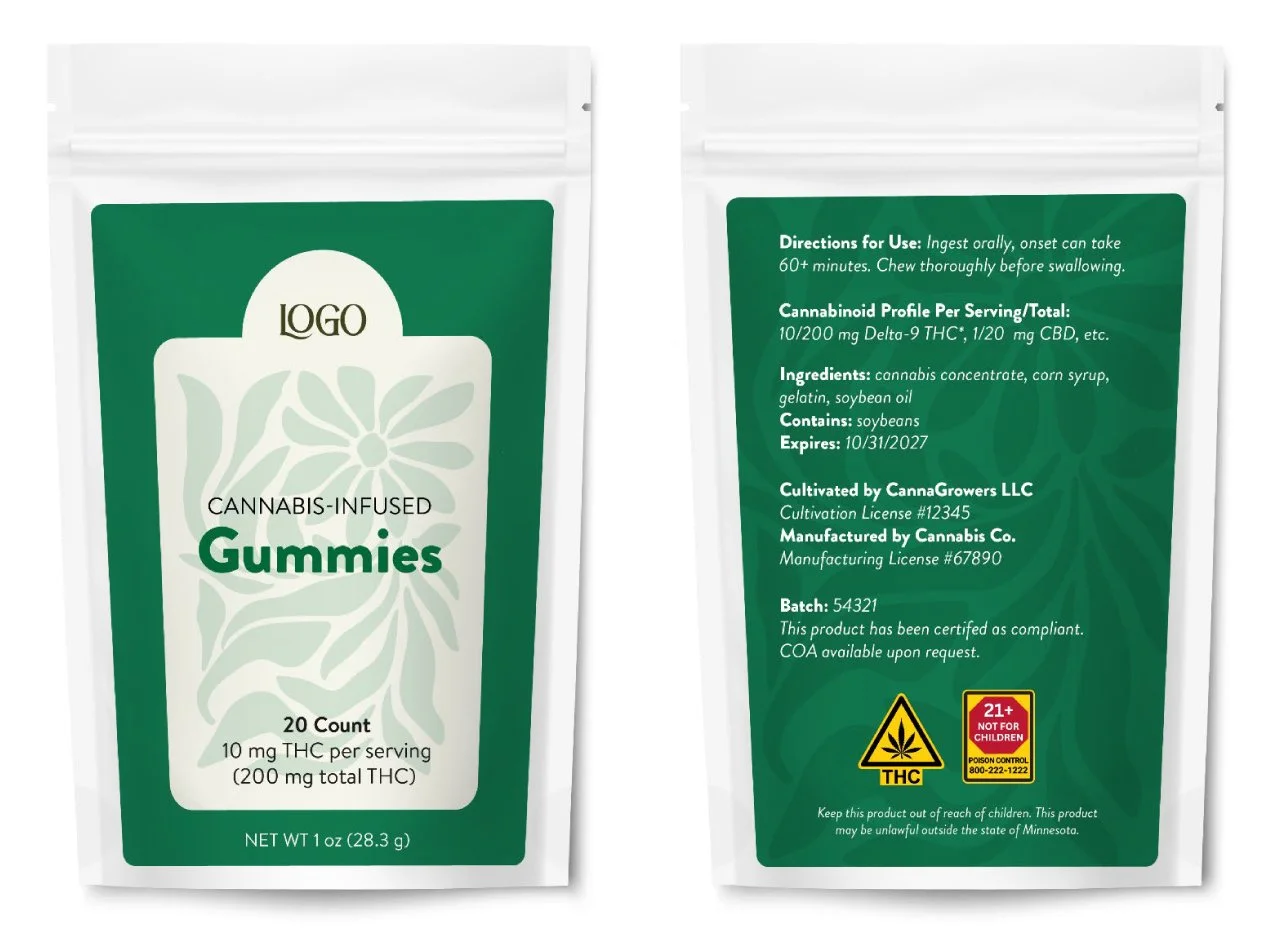
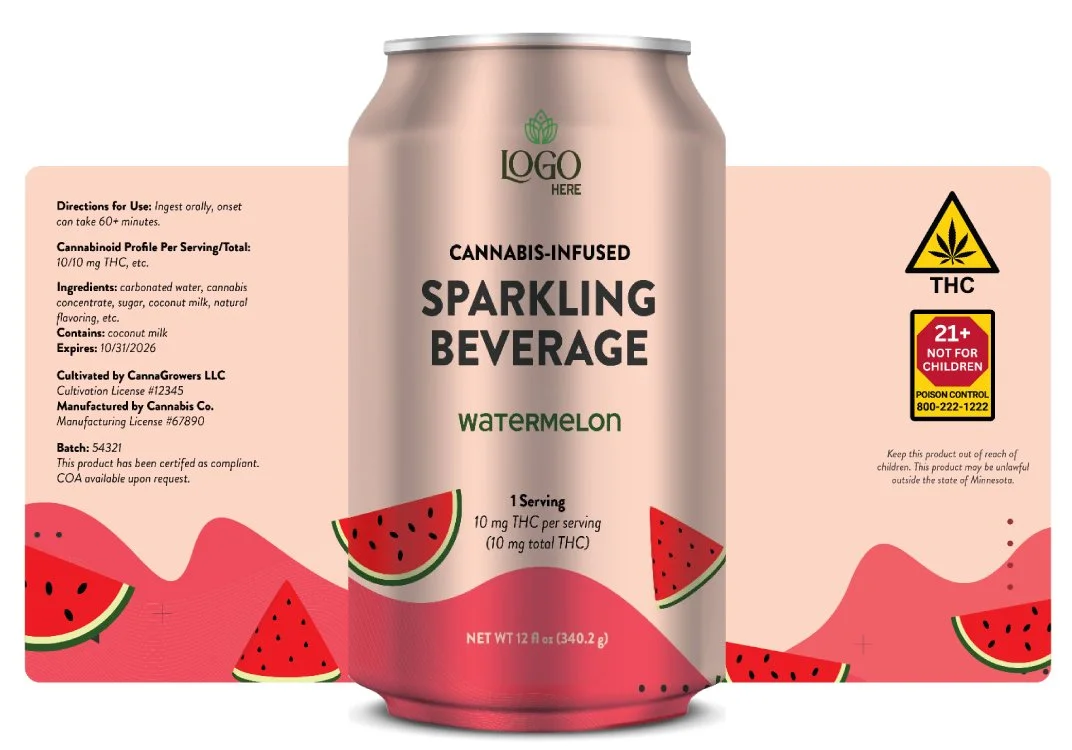
Example label layouts from the Minnesota OCM Packaging & Labeling Guide showing required symbol placement — gummy product (left) and cannabis beverage can (right). Source: mn.gov/ocm
5A. What "Marketing Layer" Means — and Why It Matters for Designers
OCM defines the "marketing layer" as the outermost layer of a retail sale container — the part that is predominantly apparent and visible to the consumer. If your product has only a single layer of packaging, the outer surface of that container is the marketing layer.
Why this matters: All required symbols and statements must appear on this layer and cannot be obscured in any way — including under peel-away panels. This affects how you design multi-layer packaging like boxes with inner pouches, cans inside retail boxes, or bottles with overwraps.
Design tip: Always design the marketing layer first. Lock in your required compliance elements before building the rest of the layout.
6. Packaging Prohibitions Checklist
Your packaging must NOT:
Resemble any commercially available non-cannabis product
Be designed to appeal to anyone under 21
Contain or be coated with any PFAS substances
Expose the product to toxic or harmful substances
Use packaging that contains poisonous or deleterious substances
Use QR codes to replace required label information
Obscure identifying information with stickers or peel-away panels
Use font sizes or colors that make required information unreadable
Make unapproved health, disease cure, or prevention claims
Claim to be organic unless fully certified under USDA national organic standards
Be sold as empty packaging if it violates any of the above
7. Choosing the Right Creative Partner
Developing and producing a package system is a highly intensive process, and choosing the right partners can significantly ease the journey. It's crucial to select a creative partner who not only brings industry knowledge and experience to the table but also is forward-thinking and fosters an easy and exciting collaboration. Equally important is collaborating with a printer who is helpful, inventive, and reliable.
In the cannabis and hemp space specifically, your designer needs to understand compliance as a creative constraint — not an afterthought. The required symbols, warning statements, potency tables, and supplier license numbers all need to live on your label alongside your brand story. A designer who hasn't worked in this space may not know to plan for all of that real estate upfront — which means expensive reprints later.
8. Final Thoughts
Regulatory design isn't about compromise — it's about clarity, safety, and trust. When we treat compliance as a creative constraint, we create packaging that elevates the product and the brand.
Need help designing your next cannabis or hemp packaging line?
Design Shop MPLS has experience designing compliant THC beverage and edible packaging in Minnesota — from concept through print-ready files.
Book a free packaging consultation →
Helpful Resources:
OCM Packaging & Labeling Guide Version 1.0 (August 2025): mn.gov/ocm
OCM Symbol Downloads: mn.gov/ocm